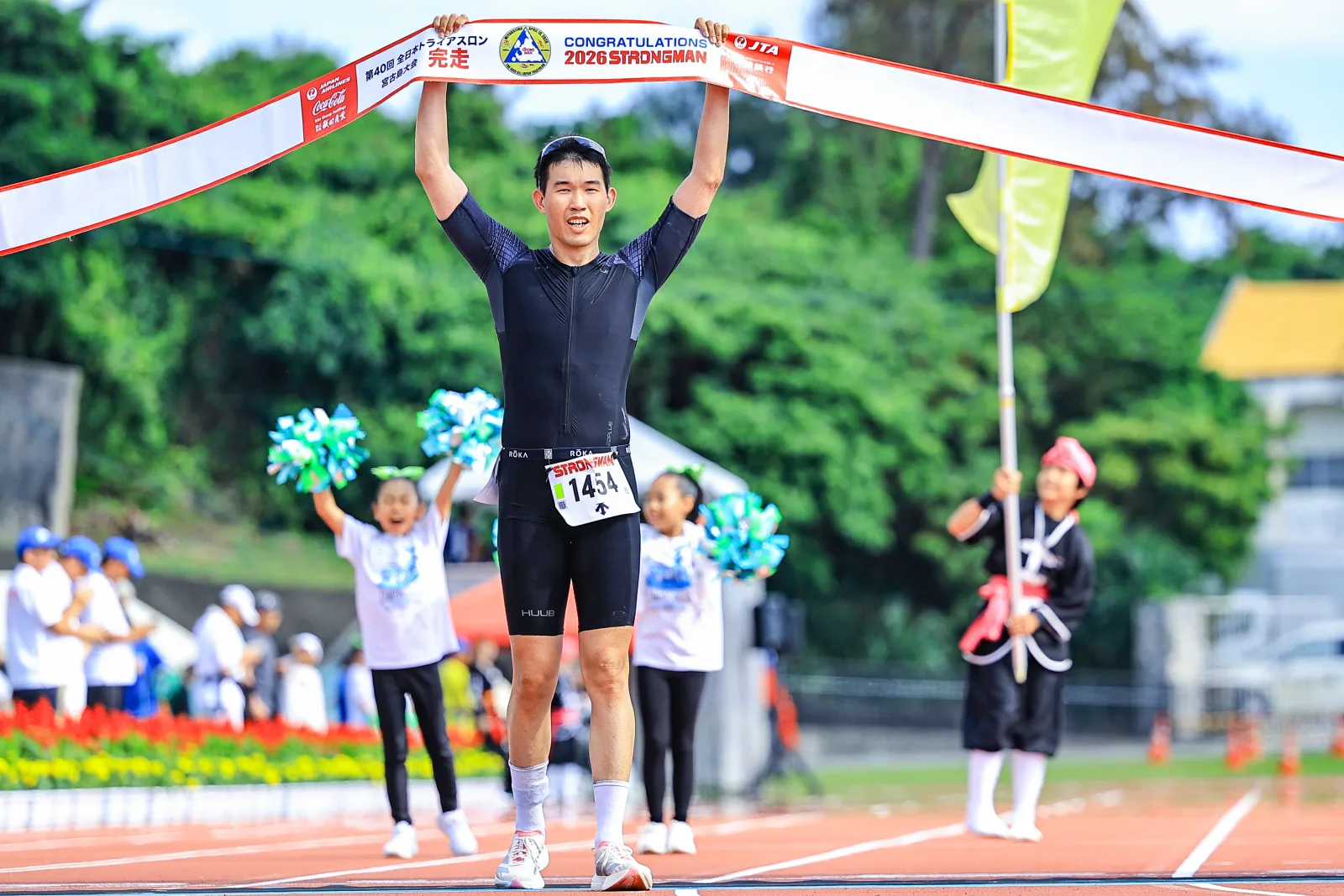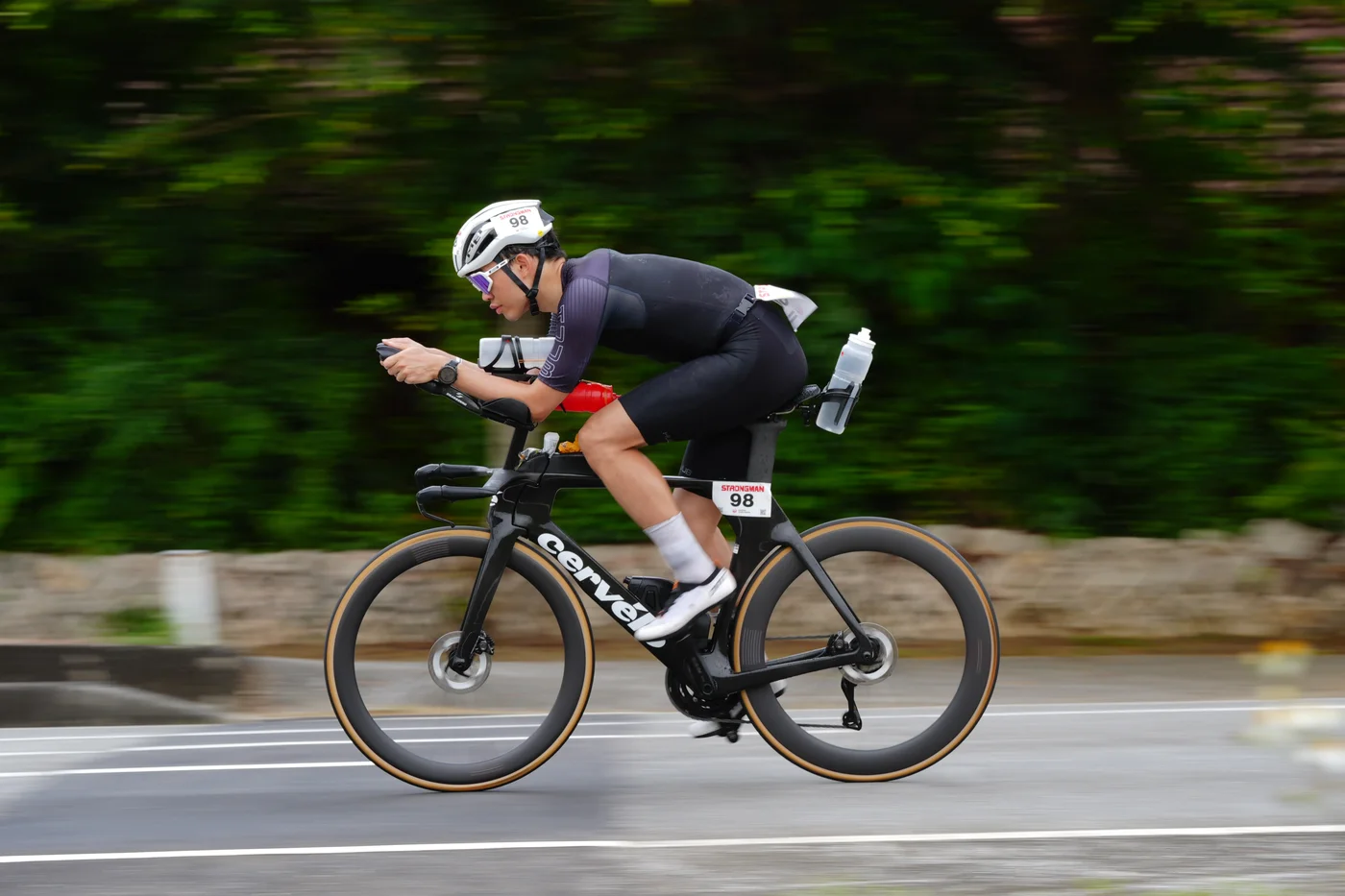
After finishing Miyakojima last April, I reviewed the race on my way back to Tokyo. Overall it went pretty smoothly. I forgot my bike computer at the start — nerves — so I rode the entire bike leg on watch data and feel. Coming out of T2 I felt good, but then went out too fast in the first few kilometers of the run. I faded in the middle section and only picked it back up near the finish. This year I’m writing a pre-race log ahead of time so I can compare targets against actual results afterward.
Course Overview
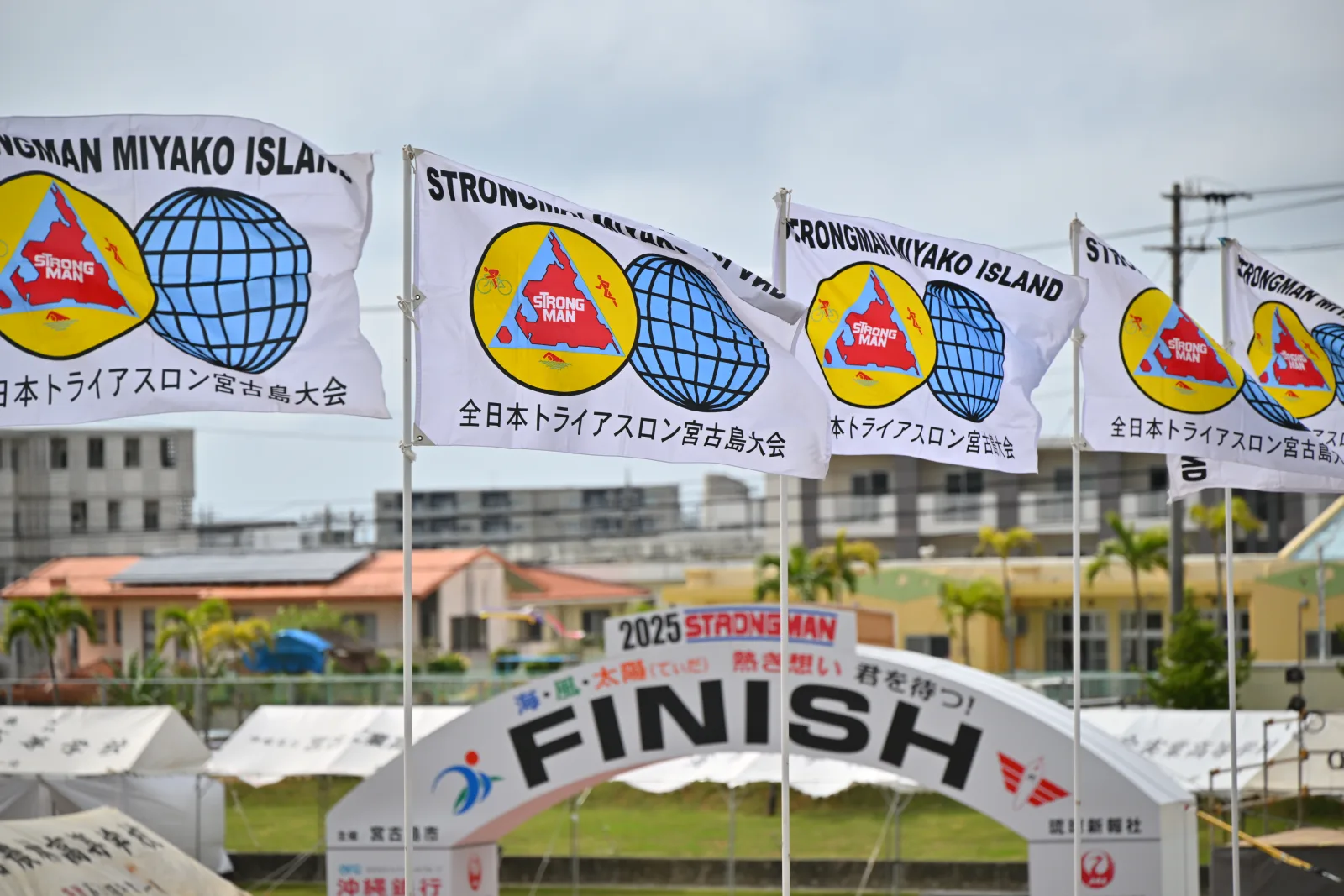
The 40th Miyakojima Triathlon. Gun time: Sunday, April 19, 7:00 AM. This year the run was upgraded from 35km to a full marathon:
| Leg | Distance |
|---|---|
| Swim | 3km (Yonaha Maehama, 2 loops) |
| Bike | 123km (slightly more than one lap around the island) |
| Run | 42.195km |
| Total | ~168km |
The swim starts at Yonaha Maehama Beach. The start area has a great view, and you can spot fish while swimming — I saw some last year, which was a nice surprise. Last year the morning was overcast so the scenery lost some of its punch; if the weather cooperates this year it should look much better.

The bike course loops slightly more than once around Miyakojima. The terrain is mostly flat. The course itself isn’t particularly hard — what makes it tough is 123km in tropical April heat. The perceived effort is heavier than it looks. The 42km run comes after a long ride, and with the upgrade to a full marathon this year, the back half will be a mental battle.
Last Year’s Results
Last year (39th edition, 2025/04/20) was my first time racing Miyakojima. Finish time: 8 hours 11 minutes 41 seconds.
| Leg | Time | Key Data |
|---|---|---|
| Swim 3km | 51:54 | avg HR 165, pace 1:51/100m |
| T1 | 7:37 | — |
| Bike 123km | 3h 50m 31s | avg 154W (FTP 221W), avg HR 153, TSS 263, IF 0.827 |
| T2 | 3:31 | — |
| Run 35km | 3h 18m 08s | avg 5:39/km, avg HR 160 |
I forgot the bike computer and rode entirely on watch and feel. The effort was conservative and felt about right at the finish. Last year’s FTP was ~221W; 154W average is 70% of FTP, but IF came in at 0.827 — NP was well above average power, meaning output fluctuated more than ideal.
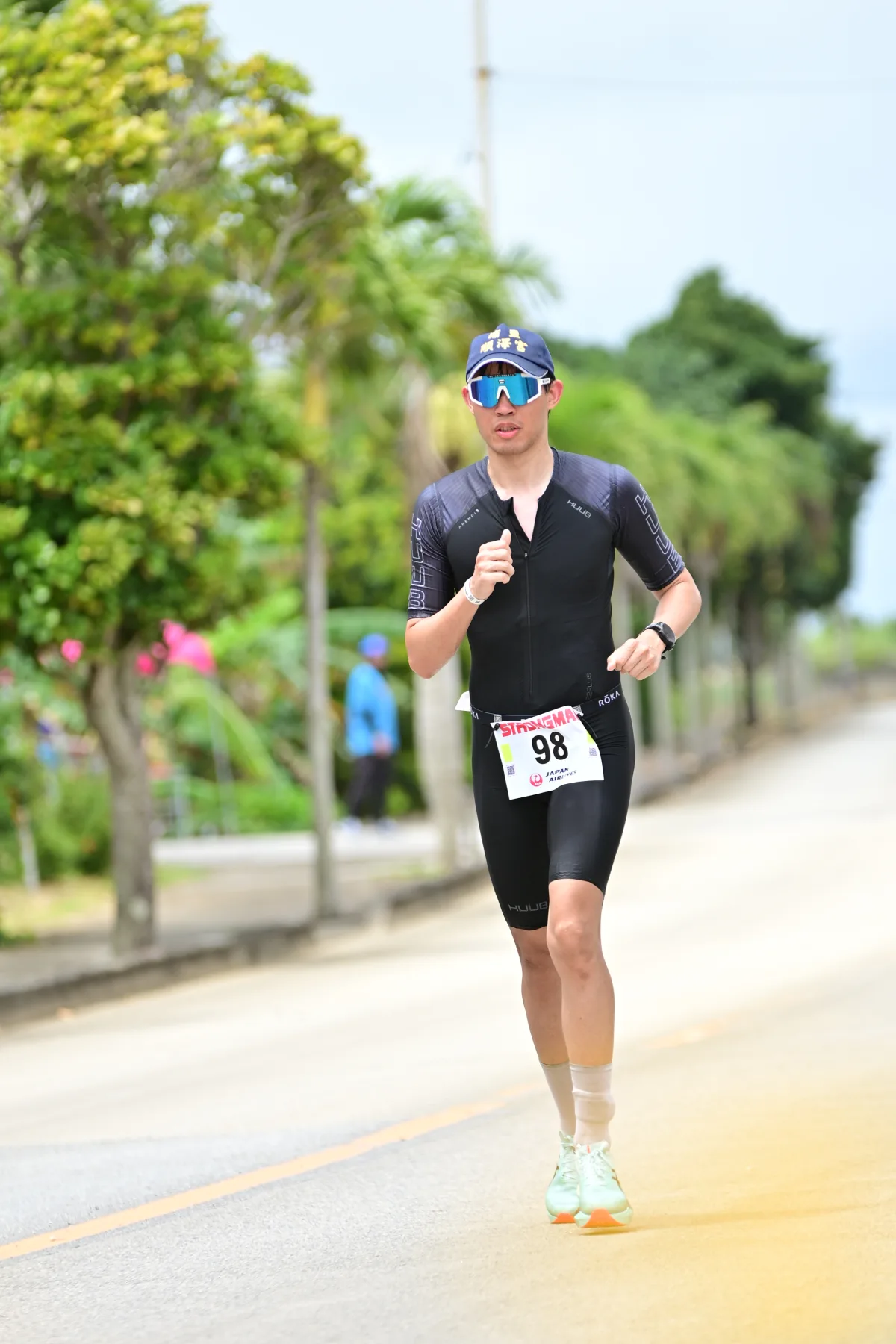
Coming out of T2 I felt decent, so the opening pace was a bit too aggressive. I faded around the 20-30km mark and only recovered slightly near the end. Last year’s run was 35km; this year it’s a full marathon. That fast-start, slow-finish pattern needs to change.
This Year’s Goals and Strategy
Swim (3km) | Target: 50 min
Last year I didn’t do any specific open water training. This year I added some. Target pace stays around 1:50/100m, but I want to exit the water at a lower HR. Last year’s swim avg HR was 165 — the swim itself was fine, but saving a bit of energy here means a better setup for what follows.
Bike (123km) | Target: avg 160-165W
This year’s FTP is 233W, and I have a bike computer to track power. Target average: 160-165W (~69-71% FTP). The perceived effort should be similar to last year’s 154W, but with a power meter keeping output steady, NP and average power should stay closer together. No stops at aid stations — all nutrition on the bike.
Run (42.195km) | Target: 5:20-5:30/km
The run is now a full marathon, so pacing discipline matters more. Last year’s early push caused mid-race fade. This year I need to hold back out of T2 and maintain 5:20-5:30/km target pace. Conservative first half, then adjust based on how I feel.
Overall Target Finish Time
| Leg | Last Year (Actual) | This Year (Target) |
|---|---|---|
| Swim | 51:54 (1:51/100m) | ~50m |
| T1 | 7:37 | ~7m |
| Bike | 3h 50m 31s (154W / FTP 221W) | ~3h 45m (160-165W / FTP 233W) |
| T2 | 3:31 | ~3m |
| Run | 3h 18m 08s (35km, 5:39/km) | ~3h 45m (42km, 5:20-5:25/km) |
| Total | 8h 11m 41s | ~8h 30m |
The run is 7km longer this year, so a longer overall finish time is expected. Target: around 8 hours 30 minutes.
Nutrition Plan
Carb Loading (Two Days Before Race)
Target: 10-12g/kg carbs per day for two days to top off glycogen stores before the start.
Race Nutrition
Swim: Nothing.
Bike (no aid station stops, all on the bike):
- Carb target: ~100g/hr
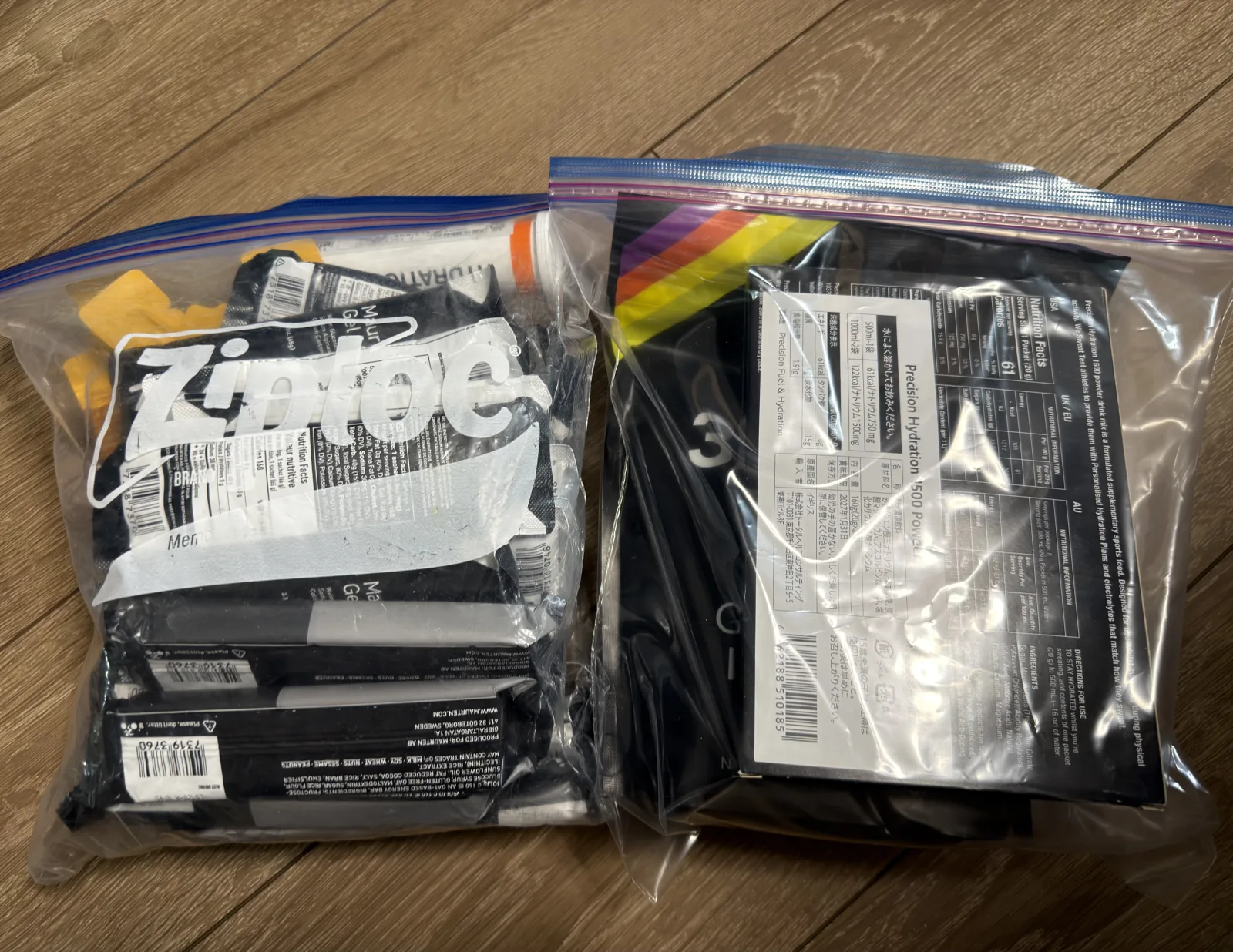
- Sources: Maurten Gel 160 (40g carbs each), PF&H Carb Only Drink Mix, CALBOMB Honey Lemon Energy Gel (42g carbs each)
- Caffeine: 200mg, starting mid-to-late bike, from Maurten Gel 100 Caf 100 (25g carbs + 100mg caffeine each)
Run:
- Carb target: ~80g/hr
- Caffeine: 200mg (same source)
Electrolytes: Precision Fuel & Hydration PH1000 / PH1500 effervescent tablets (1000 / 1500mg sodium/L). Last year’s sweat test showed high sodium loss. I’ll retest before this race to dial in the exact supplementation.
Weather: This Year vs Last Year
Last year’s morning was overcast and cooler. The scenery at the swim start suffered, but conditions for biking and running were decent. Here’s what the forecast looks like this year:
| Last Year (2025/04/20) | This Year (2026/04/19 forecast) | |
|---|---|---|
| Weather | Overcast then clearing | Mostly sunny with clouds |
| Temperature | 24-27°C (midday peak) | 26°C (high), 21°C (low) |
| Wind speed | Increasing through bike leg, peak 25.9 km/h | North wind 7-18 km/h |
| Wind direction | East in morning, shifting south during day | North-northeast |
| Rain probability | — | 40% morning, 10% evening |
Last year wind kept building during the bike leg (morning to noon), shifting from east to south — it had a real impact on the island loop. This year’s forecast calls for north wind at 7-18 km/h, noticeably lighter. But there’s a 40% chance of rain in the morning, so it might be wet at the start.
Race Readiness
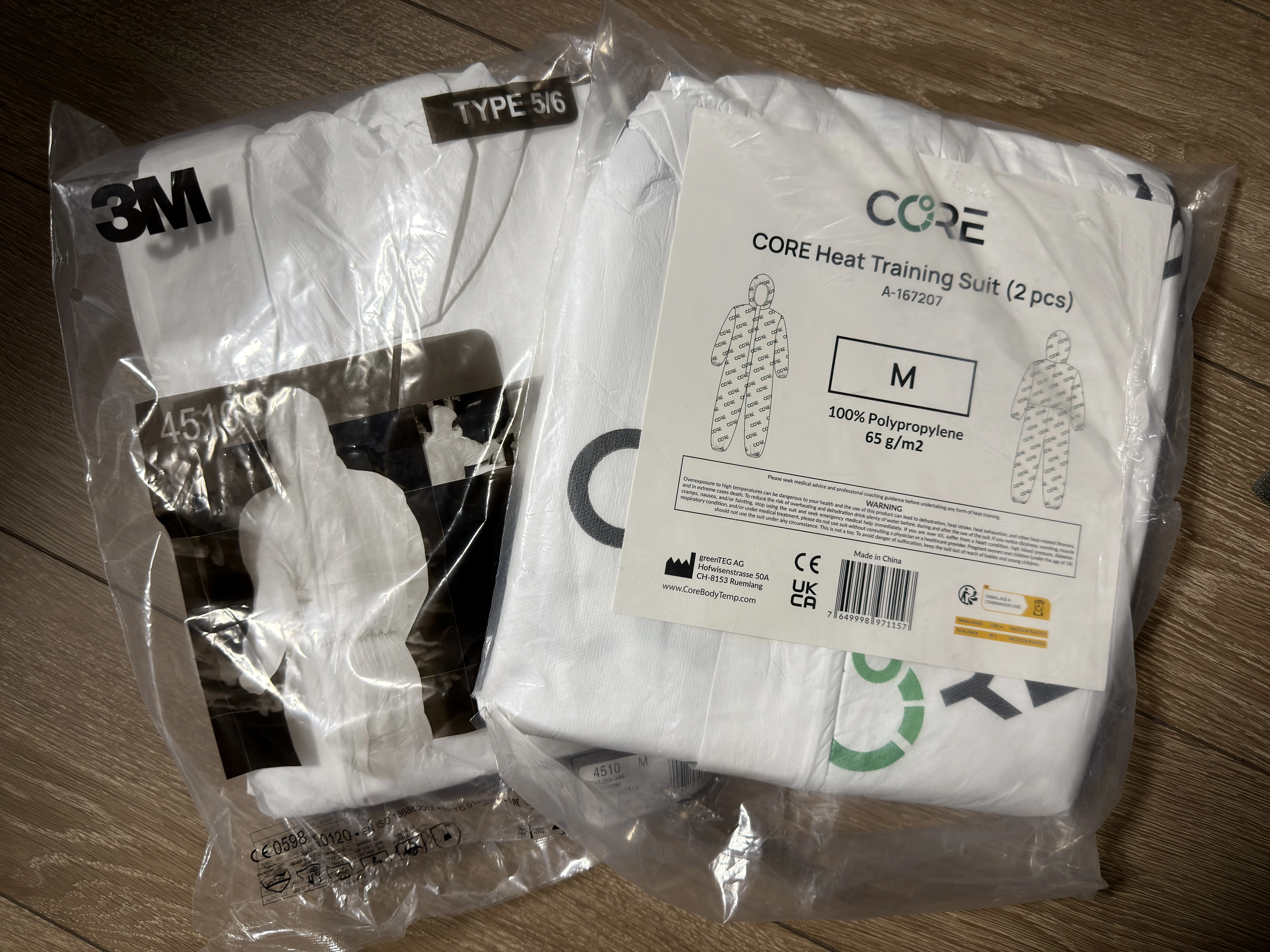
Heat acclimatization training is about 85% complete (details in the previous post). I’m reasonably confident in my body’s adaptation to tropical conditions. Carb loading starts two days out. Everything else I’ll figure out on-site. Time to pack — early flight to Miyakojima tomorrow morning.